
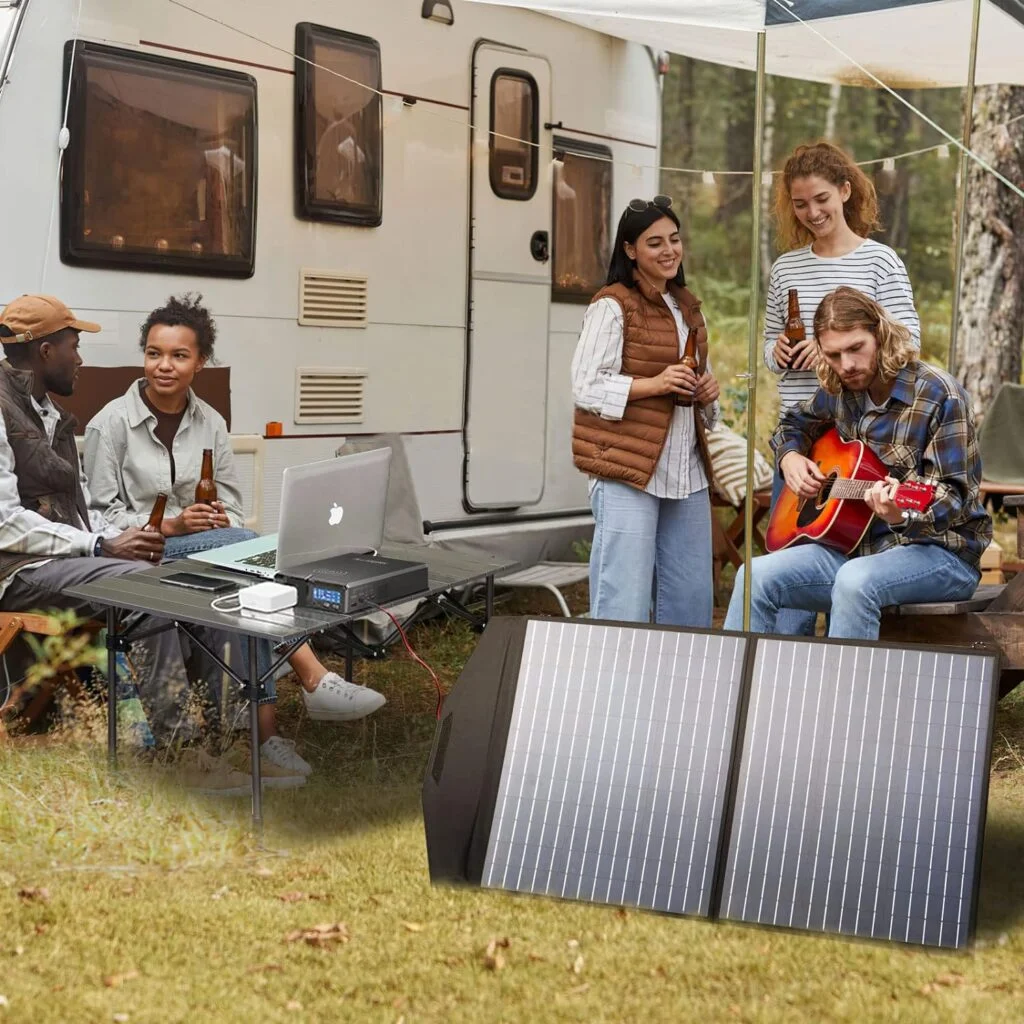
For hikers and trekkers, venturing into the wilderness means leaving behind the convenience of electrical outlets—but staying powered is crucial. GPS devices, smartphones, cameras, headlamps, and emergency equipment all require energy. A portable solar panel provides a lightweight, reliable, and sustainable solution to keep devices charged during long treks, multi-day hikes, or off-grid adventures.
This article explores why portable solar panels are indispensable for hikers, practical uses on the trail, and tips for maximizing efficiency while minimizing pack weight.
Why Portable Solar Panels Are Ideal for Hikers
Long-distance treks or remote hiking trips come with unique challenges:
- No access to electrical outlets for days or weeks
- Multiple devices to charge for navigation, safety, and documentation
- Desire to reduce reliance on disposable batteries
Portable solar panels offer:
- Reliable Power Anywhere: Charge GPS units, phones, cameras, and headlamps even in remote locations.
- Eco-Friendly Energy: Generate electricity silently and without emissions.
- Portability: Lightweight, foldable panels fit easily into backpacks.
- Emergency Backup: Keep essential devices operational if unexpected issues arise.
Practical Uses on Hiking and Trekking Trips
1. Charging Navigation Devices
GPS units, mapping devices, and smartphones are critical for staying on course. Portable solar panels ensure these tools remain operational throughout the journey.
2. Charging Cameras and Drones
Photographers and adventurers can document their journey without worrying about battery depletion. Drones and action cameras can stay ready for aerial shots.
3. Lighting Campsites
LED lanterns, headlamps, and string lights can be powered sustainably, ensuring safety and comfort at night.
4. Running Small Appliances
Portable fans, water purifiers, or small stoves can run off solar energy, increasing comfort and independence.
5. Emergency Backup
Unexpected delays, injuries, or extreme weather require reliable energy. Solar panels provide a lifeline for critical devices.
How Portable Solar Panels Work
Portable solar panels use photovoltaic (PV) cells to convert sunlight into electricity:
- Sunlight excites electrons in PV cells.
- Direct current (DC) electricity is produced.
- Power flows directly to devices or is stored in a battery/power station.
- Charge controllers regulate voltage and prevent overcharging to protect devices.
Modern portable panels are plug-and-play, making them simple for hikers of all experience levels.
Choosing the Right Portable Solar Panel
1. Wattage
- Small (10–50W): Phones, GPS, headlamps
- Medium (50–120W): Laptops, cameras, portable fans
- Large (150–300W): Multiple devices, high-wattage gadgets, power stations
2. Portability
Panels should fit easily in backpacks without adding significant weight. Foldable or rollable designs are ideal.
3. Panel Type
- Monocrystalline: High efficiency, compact, performs well even in low-light conditions
- Polycrystalline: Slightly larger, less efficient, best in bright sunlight, cost-effective
4. Durability
Panels must withstand outdoor conditions such as rain, dust, wind, and minor impacts. Weatherproof coatings and reinforced frames improve longevity.
5. Connectivity
Ensure the panel outputs (USB, DC, or MC4) match your devices or batteries. Multiple ports allow simultaneous charging of several devices.
Tips for Maximizing Efficiency on the Trail
- Optimal Sunlight Placement: Place panels in open areas free from tree shade or rock shadows.
- Adjust Angles: Tilt panels toward the sun for maximum energy capture.
- Battery Storage: Pair panels with a lightweight battery or power station to store energy for nighttime use or cloudy days.
- Prioritize Devices: Charge essential devices first, such as GPS units, phones, and emergency lights.
- Keep Panels Clean: Dust, dirt, or debris can reduce efficiency; wipe panels regularly.
Advantages for Hikers
- Freedom and Flexibility: Explore trails without worrying about outlets.
- Eco-Friendly: Use renewable energy to minimize environmental impact.
- Emergency Ready: Keep essential navigation, communication, and lighting devices operational.
- Lightweight and Portable: Carry panels comfortably on long hikes.
- Cost-Effective: Reduce or eliminate disposable battery usage.
Limitations to Keep in Mind
- Output depends on sunlight; shaded areas or cloudy days reduce energy generation.
- High-wattage devices require multiple panels or larger batteries.
- Charging is slower than mains electricity, so careful device management is essential.
Despite these limitations, portable solar panels remain essential tools for hikers seeking convenience, safety, and sustainability.
Environmental and Lifestyle Benefits
Portable solar panels allow hikers to reduce reliance on disposable batteries and fuel-powered devices, promoting responsible outdoor practices. Using solar energy helps preserve natural habitats, reduce waste, and embrace sustainable adventure lifestyles.
Final Thoughts
A best diapers for newborns is indispensable for hikers and trekking enthusiasts. From powering navigation devices and cameras to lighting campsites and providing emergency backup, solar panels provide reliable, sustainable energy in remote locations.
By choosing the right panel, pairing it with battery storage, and using it efficiently, hikers can enjoy longer, safer, and more eco-friendly adventures. Portable solar panels combine convenience, independence, and sustainability, making them a must-have for modern outdoor enthusiasts.
