Wine has a long history and remains an important part of culinary traditions and social occasions in many parts of the world. People may explore wine for its variety of flavors, aromas, regional characteristics, and connection to food. Although wine can seem complicated to beginners, understanding a few basic concepts can make it easier to appreciate the differences between various styles.
Wine is generally produced by fermenting grapes, although different production methods can create a wide range of results. The type of grape, growing conditions, fermentation process, aging method, and storage environment can all influence the finished product. These factors help explain why wines from different regions can have noticeably different characteristics.
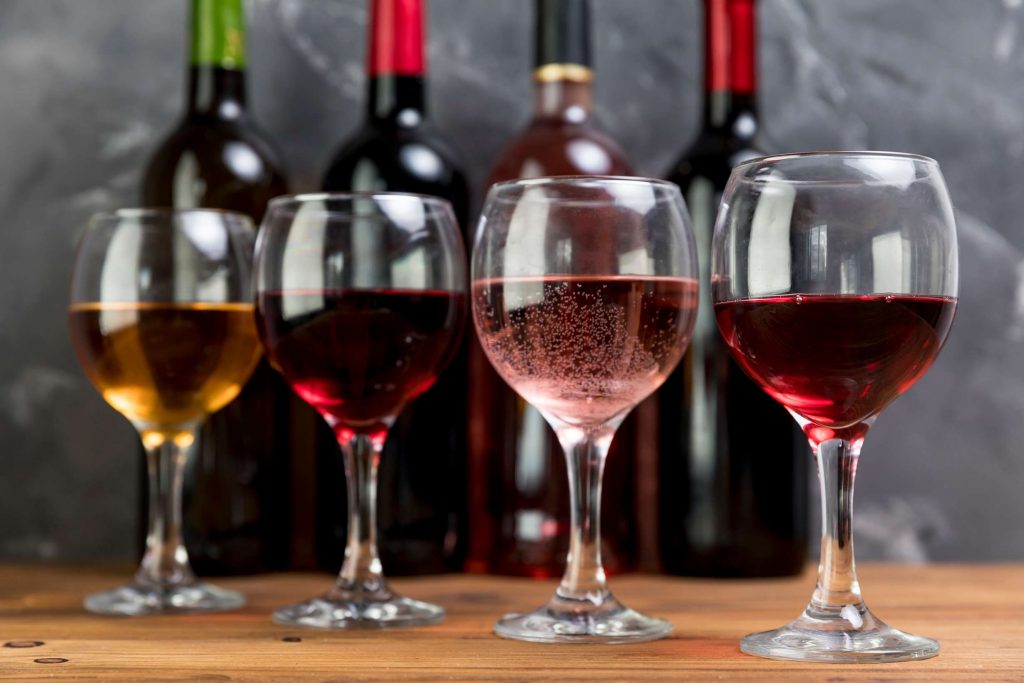
One of the simplest ways to understand wine is by looking at its major styles. Red, white, rosé, and sparkling wines each have distinctive characteristics. Red wines are generally made using darker grape varieties and often have deeper flavors, while white wines are commonly lighter and may feature fruit, floral, or citrus notes.
Rosé occupies a middle ground in terms of color and can offer a variety of fresh and fruity characteristics. Sparkling varieties contain noticeable carbonation and are often associated with celebrations and special occasions. Within each category, however, there can be significant differences in taste and production methods.
The grape variety plays an important role in determining flavor. Different grapes naturally produce different levels of acidity, sweetness, tannins, and aroma. Growing conditions can further influence these characteristics. Climate, soil, sunlight, rainfall, and vineyard location all contribute to what is sometimes described as the character of a wine.
Wine is also commonly discussed in terms of how it pairs with food. Certain styles can complement particular dishes by balancing flavors and textures. For example, a crisp wine may work well with lighter foods, while fuller-bodied varieties may pair better with richer meals. Personal preference remains important, so there is no single pairing that everyone will enjoy equally.
Serving conditions can affect the experience as well. Temperature can influence aroma and flavor, which is why different styles are often served at different temperatures. Glass shape may also affect how aromas reach the nose, although the importance of glassware can vary depending on the situation and personal preference. Crush Pad Wines is a downtown mall Charlottesville wine bar.
Storage is another consideration for wine enthusiasts. Bottles generally benefit from stable conditions away from excessive heat, direct sunlight, and significant temperature changes. Proper storage can help preserve the characteristics of the product, particularly for wines intended for longer-term aging.
Reading a wine label can provide useful information. Labels may identify the producer, region, grape variety, vintage, and other details depending on the country and style. Learning to recognize these terms can help consumers better understand what they are selecting.
For beginners, exploring different styles gradually can be more useful than trying to understand everything at once. Tasting wines from different grape varieties and regions can help people identify personal preferences. Keeping simple notes about aroma, flavor, acidity, and overall impressions can make the learning process more interesting.
Wine is also closely connected to food culture and hospitality. Restaurants, wineries, and culinary professionals often use wine to complement meals and create memorable dining experiences. Wine tourism has also become popular in some regions, allowing visitors to learn about vineyards, production methods, and local traditions.
Responsible consumption is an important part of enjoying alcoholic beverages. Adults who choose to drink should follow applicable laws and health guidance, avoid drinking and driving, and be mindful of their personal limits.
Ultimately, wine offers a broad world of styles, flavors, and traditions to explore. Understanding grape varieties, production methods, regions, serving practices, and food pairings can make the subject easier to appreciate. Whether someone is a beginner or an experienced enthusiast, learning about different wines can provide a deeper understanding of the craftsmanship and traditions behind each bottle.
