Industrial heating systems are essential to many manufacturing and research operations. They support processes such as material treatment, chemical processing, component manufacturing, and laboratory experimentation. Because these systems frequently operate under demanding conditions, their design requires careful attention to temperature control, insulation, equipment compatibility, and long-term reliability.
A well-designed heating system should provide consistent performance while minimizing energy waste and maintenance interruptions. Achieving these objectives requires cooperation between engineers, equipment manufacturers, and facility operators.
Understanding Industrial Heating Requirements
The first step in designing a heating system is understanding its intended application. Different production processes require different temperature ranges, heating rates, operating durations, and environmental conditions.
Engineers should determine whether the system will operate continuously or intermittently. They must also evaluate the materials being processed and identify any chemical or atmospheric conditions that could influence equipment performance.
These details help establish technical requirements for the furnace, heating elements, insulation, control systems, and supporting components.
Selecting Suitable Construction Materials
Material selection has a direct effect on heating system performance. Components may experience repeated heating and cooling cycles, which can cause expansion, contraction, and gradual structural changes.
Quartz is relevant to certain specialized heating applications because fused silica and quartz glass can offer useful thermal characteristics. However, engineers must consider the specific grade, component design, operating temperature, and environmental conditions before deciding whether a particular product is appropriate.
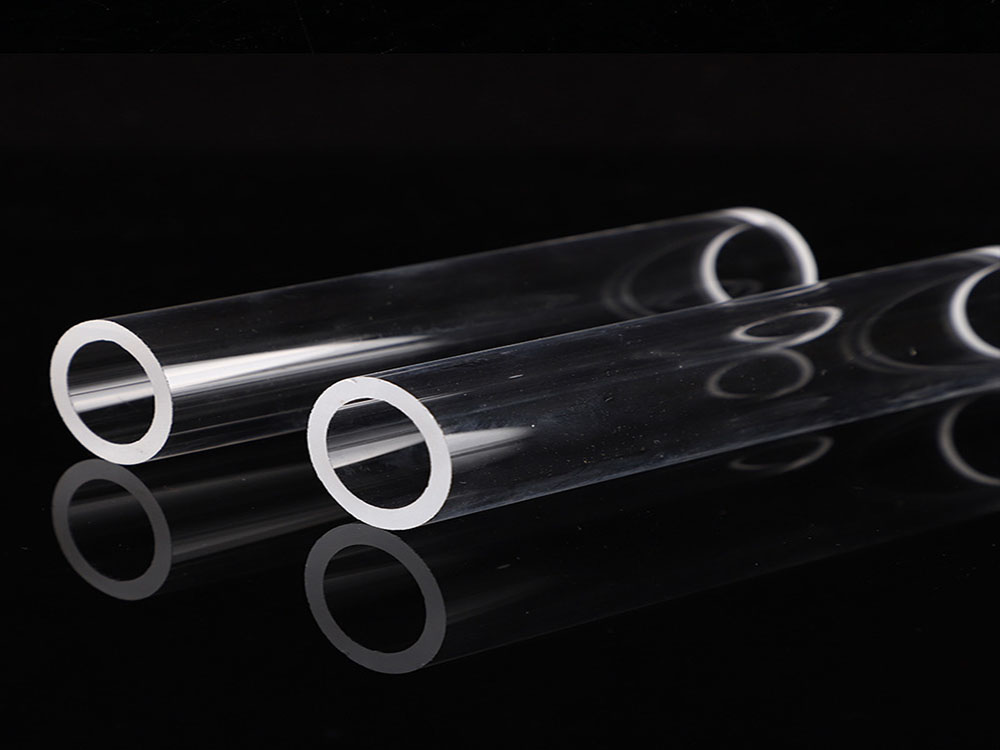
Heat Resistant Quartz Glass Tubes Plates may be considered for selected industrial or laboratory applications where their material properties match the intended requirements. Their suitability should be assessed according to thermal exposure, mechanical loading, and equipment configuration.
The surrounding equipment must also be designed to accommodate the selected materials without introducing unnecessary mechanical stress.
Improving Insulation Performance
Insulation is an important part of industrial heating system design. Poor insulation allows heat to escape, increasing energy consumption and making temperature control more difficult.
Engineers evaluate insulation thickness, thermal conductivity, operating temperature, and environmental exposure when selecting suitable materials.
Proper installation is equally important. Gaps, damaged surfaces, and unsuitable connections can reduce insulation effectiveness.
Regular inspections help identify deterioration before it significantly affects system performance. Replacing damaged insulation at the appropriate time can also reduce energy losses.
Managing Heat Distribution
Uniform heat distribution is necessary for many industrial applications. Uneven heating can cause inconsistent material properties, product defects, and processing delays.
Furnace design should consider chamber dimensions, heating element placement, airflow, and the position of materials inside the equipment.
Temperature sensors should be located strategically to provide useful information about operating conditions. Multiple measurement points may be necessary when the furnace has a large working chamber.
Advanced control systems can adjust heating output to maintain the desired temperature profile.
Protecting Components During Operation
Industrial heating systems contain components that must remain stable under demanding operating conditions. Repeated thermal cycling, mechanical vibration, and environmental exposure can gradually affect their performance.
Protective design measures may include suitable mounting arrangements, controlled heating rates, appropriate clearances, and regular maintenance.
Custom Quartz Insulation Rings may be relevant in certain specialized equipment configurations where specific dimensions and material characteristics are required. Their application should be evaluated according to the system’s thermal design and component compatibility.
Engineers should avoid assuming that one component specification will work for every furnace or heating application.
Establishing Preventive Maintenance Procedures
Preventive maintenance helps identify potential equipment problems before they cause unexpected shutdowns.
Maintenance programs should include inspections of heating elements, electrical connections, insulation, sensors, control systems, and internal components.
The frequency of inspection depends on operating conditions, equipment design, and manufacturer recommendations.
Maintenance records provide useful information about recurring problems and component replacement intervals. This data can help facilities improve maintenance schedules and manage spare parts more effectively.
Improving Energy Efficiency
Energy efficiency should be considered throughout the design and operation of industrial heating systems.
Businesses can reduce energy waste by improving insulation, maintaining accurate temperature controls, selecting appropriately sized equipment, and avoiding unnecessary operating periods.
Operators should also receive training in efficient equipment use. Incorrect loading practices or unsuitable heating schedules can increase consumption without improving production results.
Energy monitoring systems can help identify unusual consumption patterns and support better operational decisions.
Planning for Long-Term Reliability
Reliable industrial heating systems are developed through careful engineering rather than equipment selection alone.
Material compatibility, insulation performance, temperature monitoring, preventive maintenance, and employee training all contribute to long-term performance.
Manufacturers should evaluate the complete heating system before making major design changes. Consulting experienced engineers and reviewing technical specifications can help prevent costly mistakes.
As industrial production becomes more demanding, reliable heating technology will remain important across manufacturing and research environments. Facilities that prioritize appropriate materials, effective temperature management, and consistent maintenance practices can improve process stability while controlling operating expenses.
