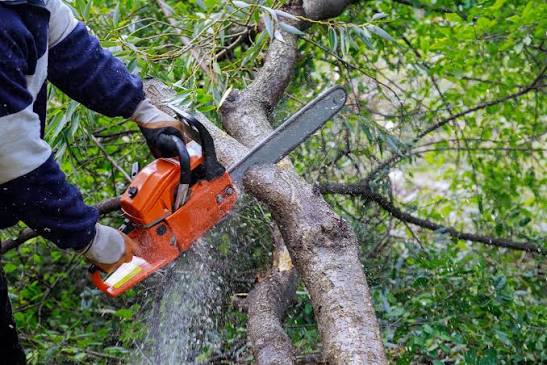
Trees change throughout the year, and their maintenance needs often change with the seasons. Temperature, rainfall, wind, and sunlight can influence tree growth and overall health. For homeowners and commercial property managers, seasonal tree maintenance is an effective way to identify problems early, maintain an attractive landscape, and reduce avoidable safety concerns.
Understanding Seasonal Tree Care
Every season brings different conditions that can affect trees. Spring often encourages new growth, while summer heat can increase water stress. Autumn brings falling leaves and changing weather, and winter may expose trees to freezing temperatures, heavy snow, and strong winds.
A professional tree service provider can help property owners develop a maintenance schedule based on local weather conditions and the specific tree species on their property. Rather than following the same routine throughout the year, maintenance should respond to the tree’s condition and natural growth cycle.
Regular observation is equally important. Changes in leaf color, branch structure, bark, or growth patterns may indicate that a tree needs further evaluation.
Spring Maintenance for Healthy Growth
Spring is a useful time to inspect trees after winter weather. Property owners can look for broken branches, damaged bark, exposed roots, and signs of disease. Trees that experienced heavy snow or strong winds may require particular attention.
Pruning can help address certain problems, but timing matters. Some species are best pruned during dormancy, while others benefit from pruning at different points in their growth cycle. A knowledgeable tree care professional can recommend an appropriate approach.
Spring is also a good opportunity to examine the soil around trees. Compacted soil, poor drainage, and damage from construction can affect root development. Correcting these issues may improve growing conditions without requiring major intervention.
Managing Trees During Summer
Summer heat can place considerable stress on trees, especially young trees and those growing in dry or exposed locations. Water requirements vary by species, soil type, rainfall, and root development.
Property owners should monitor trees for wilting, premature leaf drop, or unusual discoloration. These symptoms can have several causes, so professional assessment may be necessary before choosing a treatment.
Mulch can help conserve soil moisture and regulate soil temperature when applied correctly. It should be kept away from direct contact with the trunk, as excessive moisture against the bark can contribute to problems.
Summer is also a useful time to observe branches growing toward buildings, walkways, and outdoor seating areas. Any necessary trimming should be planned carefully to avoid unnecessary stress on the tree.
Preparing Trees for Autumn and Winter
Autumn provides an opportunity to review tree structure before colder weather arrives. Dead limbs, cracked branches, and weak attachments may deserve attention, particularly when they are positioned over roofs, driveways, or frequently used areas.
Fallen leaves should be managed where they block drainage systems or create slippery walking surfaces. However, leaves can also be useful in suitable garden areas because they contribute organic matter as they break down.
Before winter, property owners should inspect young trees and recently planted specimens. Depending on the climate, protective measures may help reduce damage from freezing conditions, animals, or harsh winds.
Major pruning decisions should reflect the needs of each species rather than the calendar alone.
Recognizing Problems Early
Seasonal inspections can reveal problems before they become more difficult to manage. Common warning signs include dead branches, fungal growth, cavities, unusual leaning, and changes in leaf production. Lynchburg tree removal by RMZ Tree Service.
These signs do not always mean a tree must be removed. Some conditions can be managed through monitoring, pruning, improved growing conditions, or targeted treatment.
A qualified tree service professional can assess the severity of a problem and explain suitable options. Early evaluation is particularly important when a damaged tree stands near buildings or public access areas.
Creating a Practical Maintenance Plan
An effective maintenance plan should record the location, species, approximate age, and general condition of important trees. Property owners can also note previous pruning, storm damage, and recommended follow-up inspections.
This information helps track changes over time and makes future maintenance easier to organize. Commercial properties may benefit from scheduled inspections because trees often stand near parking lots, entrances, and pedestrian routes.
Conclusion
Seasonal tree maintenance helps property owners respond to changing weather and growth conditions throughout the year. By inspecting trees regularly, addressing damaged branches, monitoring soil conditions, and seeking professional advice when necessary, homeowners can support healthier trees and maintain a more attractive outdoor environment.
