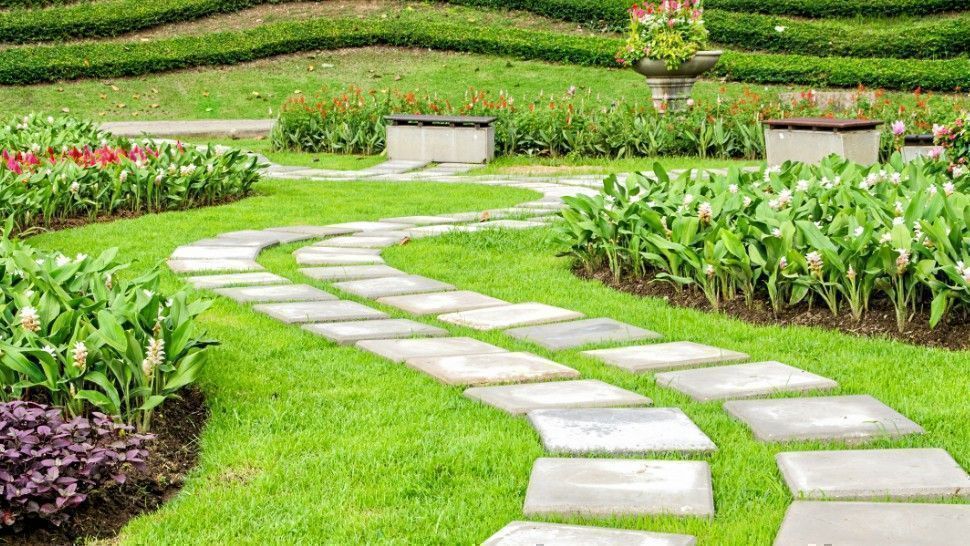
A well-planned yard can provide much more than visual appeal. It can become a comfortable place for relaxing, entertaining guests, spending time with family, or simply enjoying nature. Good landscaping focuses on creating an outdoor environment that looks attractive while also fitting the practical needs of the property. Even small changes can make a noticeable difference when they are planned carefully.
Before making improvements, property owners should consider how they currently use their outdoor space. A family with children may need an open lawn area, while someone who enjoys entertaining may prefer a patio or outdoor seating area. Garden enthusiasts might want dedicated planting beds, and homeowners looking for privacy may benefit from trees, shrubs, or screening plants. Understanding these needs helps create a more useful design.
Plant selection is one of the most important parts of an outdoor project. Different plants have different requirements for sunlight, water, soil, and space. Choosing varieties that are appropriate for the local climate can help reduce maintenance and encourage healthier growth. A combination of trees, shrubs, flowers, and ground-cover plants can provide different heights and textures throughout the yard.
Landscaping can also help organize an outdoor area into separate sections. A walkway can connect the driveway to the front entrance, while another path can lead toward a garden or patio. Decorative borders can separate planting beds from lawns, and strategically placed shrubs can define different areas without making the yard feel crowded.
Hardscape features are another useful design element. Patios, retaining walls, stone paths, steps, and garden edging can provide structure and improve accessibility. Materials should be selected based on durability, appearance, and the amount of maintenance required. Combining hardscape materials with natural plants can create a balanced appearance.
Water management should not be overlooked during landscape planning. Areas with poor drainage may develop puddles after heavy rainfall, which can damage lawns and plants. In some situations, improving the slope or adding drainage features can help move excess water away from important areas. Proper planning can also reduce erosion and protect nearby structures.
Outdoor lighting can add both function and character to a yard. Low-level pathway lights can make walkways easier to use in the evening, while accent lights can draw attention to trees, planting beds, walls, or architectural features. Lighting should be positioned carefully so that it provides useful visibility without creating excessive glare.
Low-maintenance design is becoming an important consideration for many property owners. Busy homeowners may not want to spend hours every week caring for their yards. Selecting hardy plants, reducing unnecessary lawn areas, using mulch, and installing efficient irrigation can help reduce routine maintenance. A landscape professional can suggest options based on the property’s conditions and the owner’s preferences.For a Smith Mountain Lake excavating contractor check out Wingfield Excavating & Landscaping.
Seasonal planning can also make a landscape more attractive throughout the year. Plants with different flowering periods can provide changing colors as the seasons progress. Evergreen plants can maintain structure during colder months, while trees and shrubs can add seasonal interest through foliage and natural changes.
Hiring an experienced professional may be useful for larger projects. A qualified landscaping contractor can evaluate the property, create a practical design, prepare the ground, install plants and hardscape features, and provide ongoing maintenance when needed. Professional planning can also help avoid mistakes involving plant spacing, drainage, irrigation, or unsuitable materials.
A successful outdoor design does not necessarily require a large budget. Small improvements such as fresh mulch, new planting beds, updated edging, pathway improvements, or carefully selected plants can refresh the appearance of a property. Larger projects can be completed gradually according to priorities and available resources.
Ultimately, effective landscaping combines appearance, comfort, and functionality. By considering the property’s conditions and the way the space will be used, homeowners can create an outdoor area that feels natural and organized. With appropriate plant choices, practical features, and regular maintenance, a well-designed yard can remain attractive and enjoyable for years.
